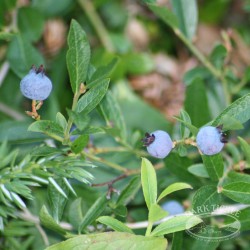
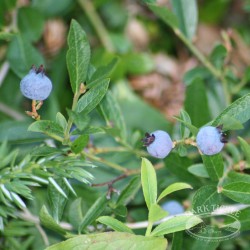
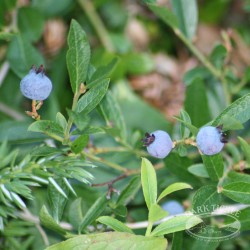
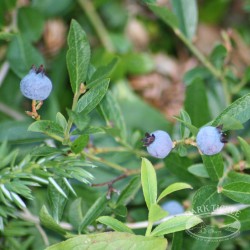
 Vaccinium angustifolium. There are several species of blueberries worldwide of which one, possibly two, grow in Newfoundland. These are a low-growing subshrub, anywhere from 2-24" inches in length usually forming dense, extensive colonies. They are generally found in Newfoundland's forests, coastal headlands, high moors, peaty barrens, and exposed rocky outcrops. The picking season is anywhere from mid-August to late September. Very sweet in taste they are far superior to their cultivated cousins. Wild blueberries are an excellent source of vitamin C, niacin, manganese, carbohydrates, and dietary fibre. They also contain little sodium or fat. Some research has shown anthocyanin and antioxidants to attribute to the prevention of high blood pressure, urinary tract infections, cardiovascular disease, cataracts, slowing such aging processes as memory loss and the deterioration of motor skill as well as improving circulation.
Wild blueberries have something unique in their flavour, which makes them truly popular among many worldwide. Smaller in size but richer in taste, wild blueberries hold a natural mix of sweetness and gentle tartness that feels balanced without effort. That natural depth is what makes wild blueberries easy to recognise.
They grow across Newfoundland in open, natural spaces, developing without cultivation or control. This slower, natural process gives each batch subtle variation, which means wild blueberries never feel completely identical from one season to the next.
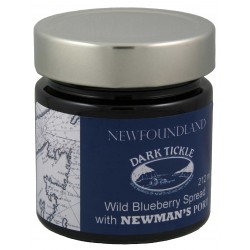
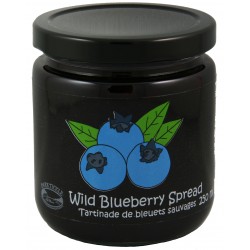
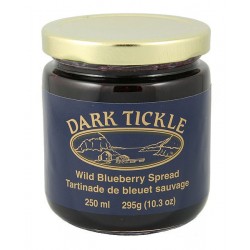
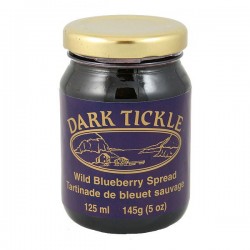
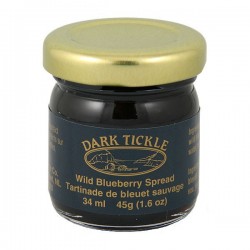
Their original character stays intact when they are handled with care, and at Dark Tickle, we make sure to do that. Our focus is on preserving the natural taste of blueberries, so you can get the taste bursts of real ones.
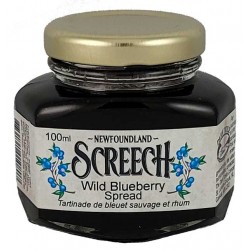
Across different uses, they remain consistent in presence. From added to spreads, sauces, and other simple preparations, wild blueberries bring enough depth on their own, without needing much else to support them.